Oakland
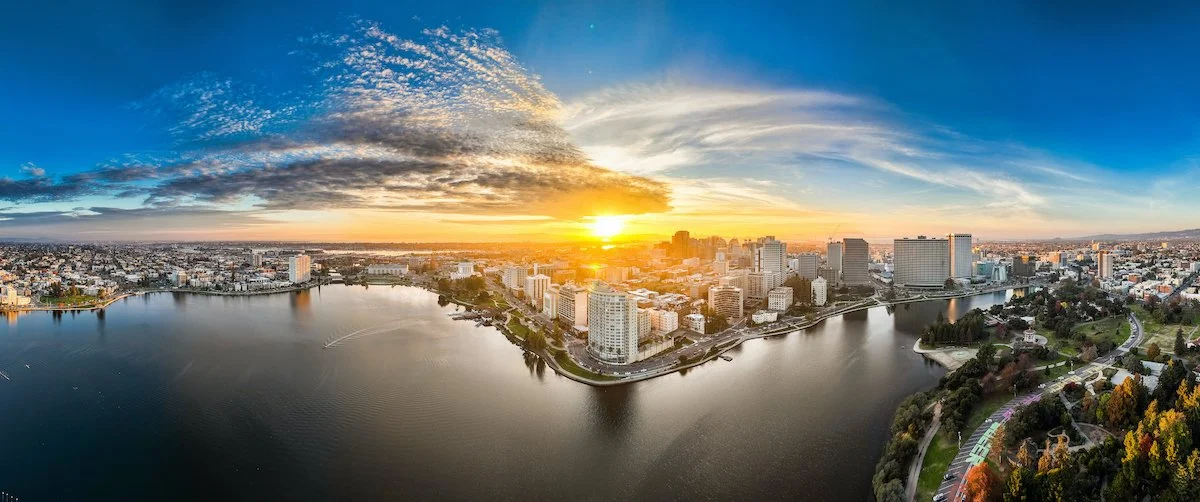
Returning to Oakland was never about leaving Vietnam behind.
It was about bringing Vietnam with us.
My wife and I came back to California to raise our children, give them access to excellent schools and healthcare, and build a future for our family. But after years in Vietnam, we were not simply returning home. We were carrying an entire world back with us to our other home.
The food, the culture, the friendships, the smells, the sounds, and the lessons we learned there had become part of who we were.
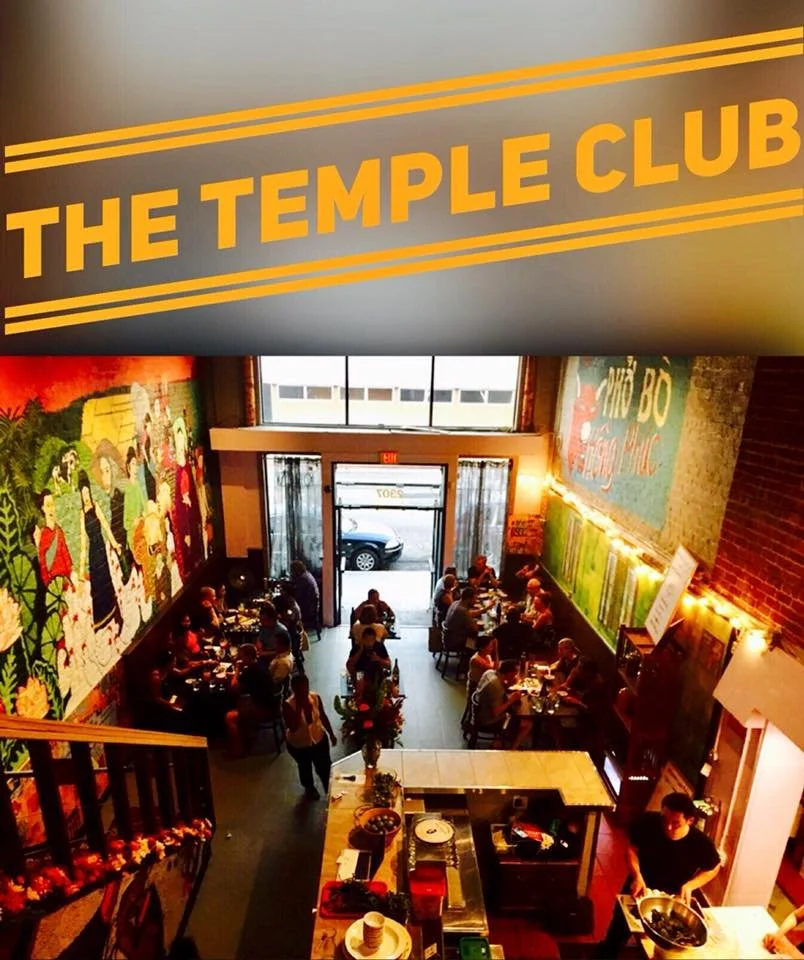
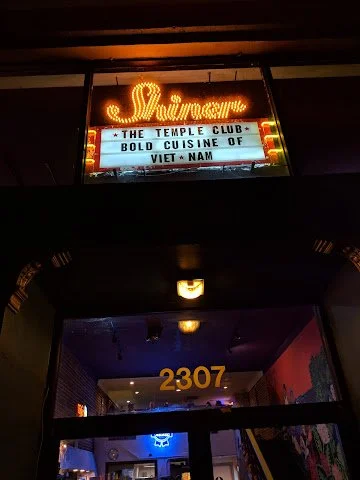
Temple Club was our first attempt to share that world.
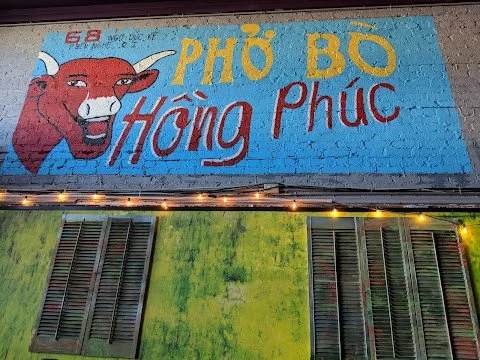
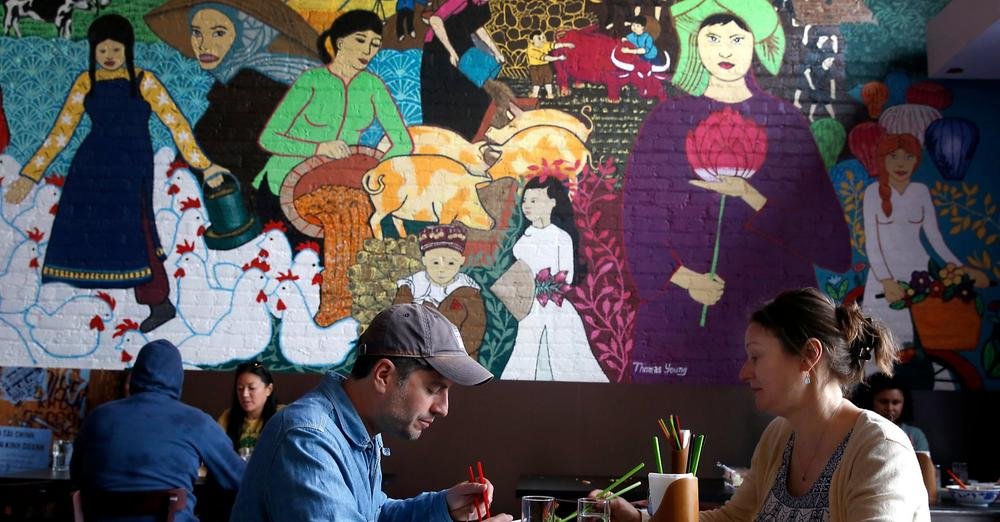
We built much of it ourselves. We painted walls, repaired equipment, hunted down salvaged materials, and transformed a simple space into something that reflected our deep love for Vietnam. More than a restaurant, it became a place where my wife could feel at home and where we could introduce others to the country that had changed our lives.
We wanted guests to experience Vietnam with all their senses.
Music. Conversation. Daily life.
Aromas drifting from the kitchen.
Fresh herbs. Exotic fruits. Unfamiliar ingredients waiting to be seen, smelled, touched, tasted, and discussed.
The excitement of discovering something unexpected.
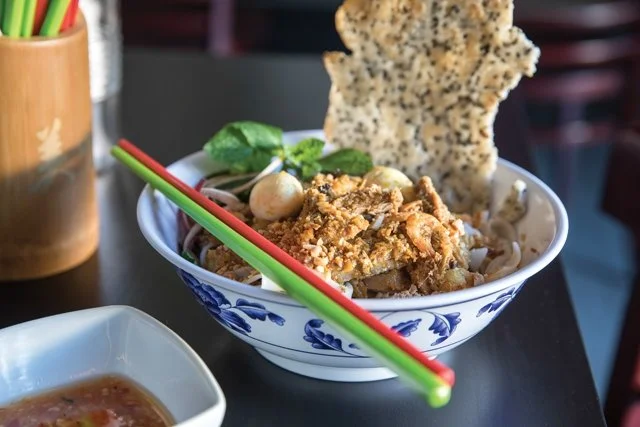
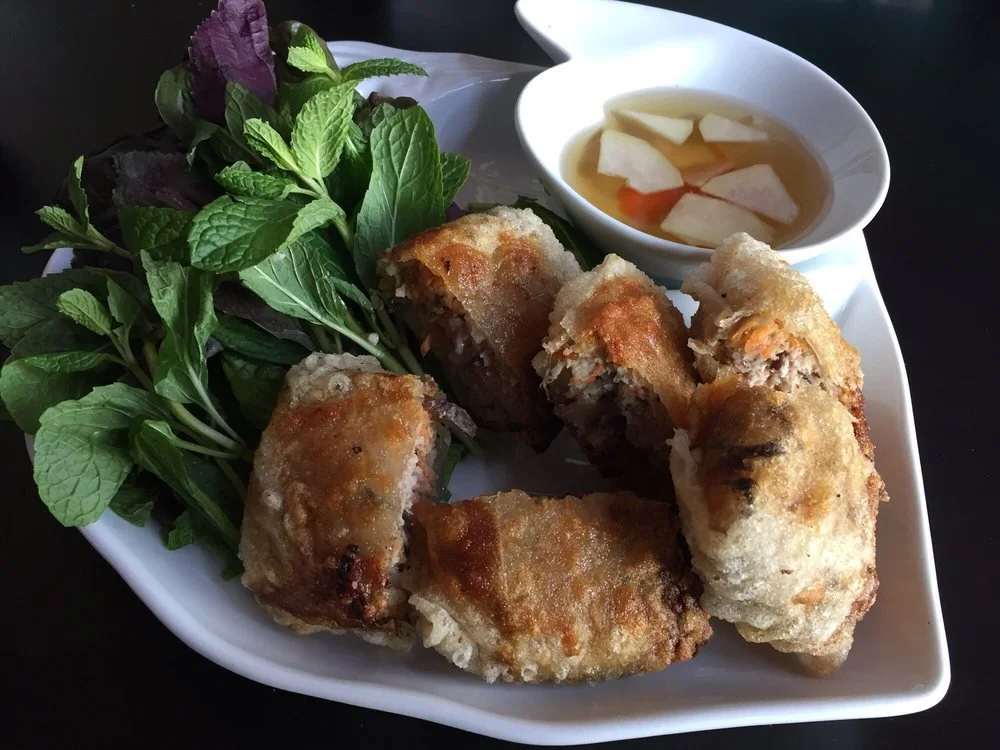
Small plates encouraged exploration. Guests shared shark, jellyfish, pig ears, grilled seafood, herbs, noodles, and dishes many had never encountered before. Conversations began between strangers. Tables compared notes. People pointed at dishes passing by and asked what they were.
The goal was never simply to feed people.
It was to transport them.
Temple Club was inspired by the streets and alleys of Vietnam, by family businesses opening their front doors each morning and slowly spilling onto the sidewalk. Plastic stools crowded beneath awnings. Families, workers, students, travelers, and neighbors shared meals side by side.
What fascinated me was how one successful food vendor could become the center of an entire community. As more people arrived, other small businesses appeared around them. Someone sold coffee. Someone else sold fruit. Another brought cold drinks. Another rented tables and chairs. Before long, an ecosystem emerged, each business supporting the others while serving the growing crowd.
The meals were never just about what was on the plate.
They were about connection.
The journey continued at Le Colonial.
There, I saw an opportunity to help reimagine how Vietnamese cuisine could be presented to American diners at a higher level. We wanted to celebrate Vietnamese culture, Vietnamese travel, and the extraordinary diversity of regional Vietnamese cuisine in a bolder and more meaningful way. Rather than looking backward, we wanted to explore the living Vietnam I had experienced during all those years overseas.
Vietnamese food changes from province to province, city to city, and sometimes alley to alley. A family from Hanoi may open a restaurant in Ho Chi Minh City serving the flavors they grew up with. A family from Huế may do the same. Another from Đà Lạt, Nha Trang, or the Mekong Delta brings its own traditions, ingredients, and memories to the table.
Even within the same city, people search for the tastes of home. A northerner living in the south may crave the food they grew up with in Hanoi. A southerner living in the north may miss the sweetness and abundance of the south. Fish sauces, herbs, techniques, and preferences for sweetness, spice, and acidity can vary dramatically across the country.
For generations, geography, history, and limited travel allowed these local traditions to develop independently. The result was a remarkable patchwork of culinary identities that still exists today.
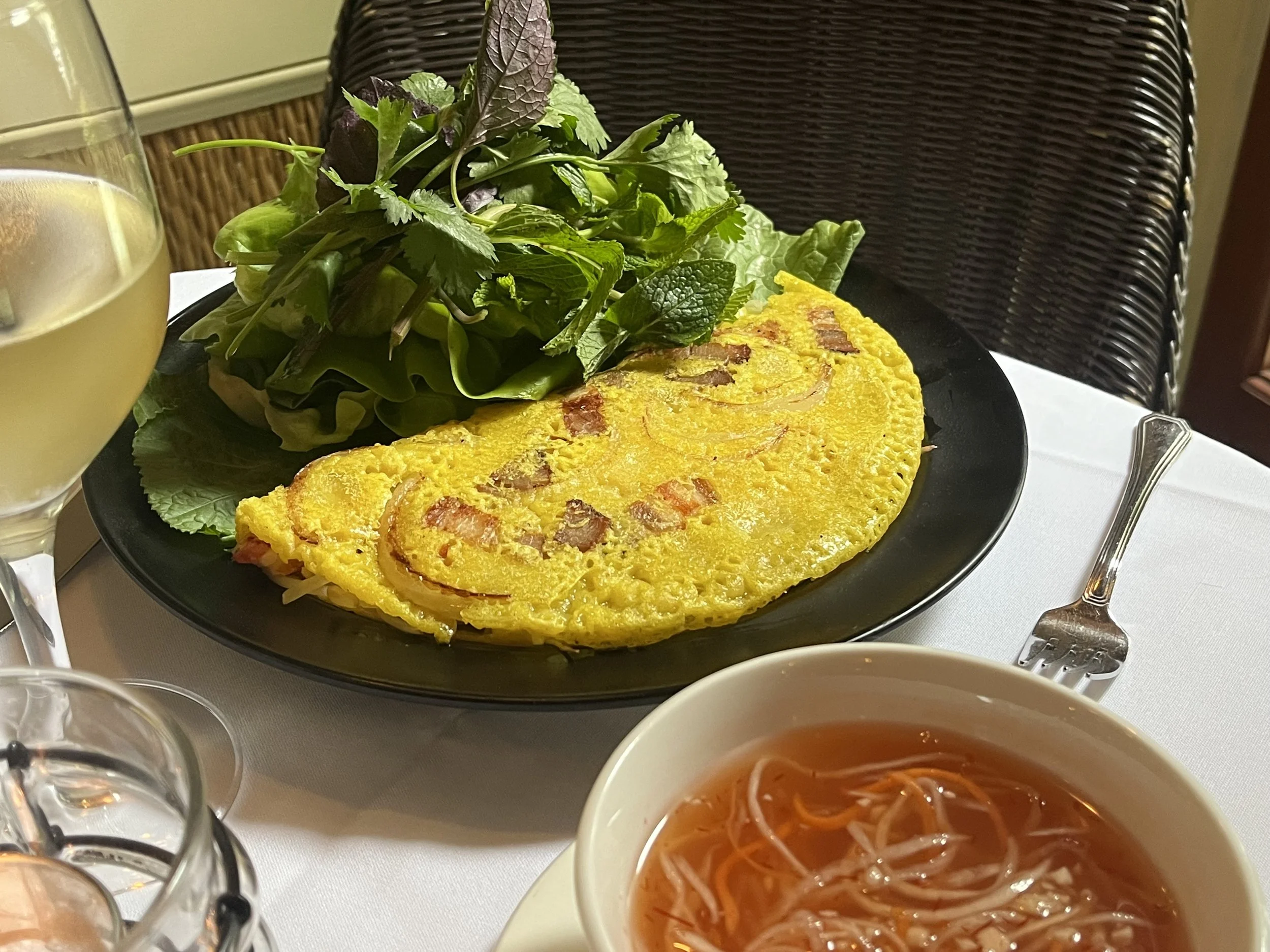
That spirit inspired new dishes, new ideas, and new conversations. We introduced plant based interpretations of classic Vietnamese dishes so guests with different dietary preferences could experience the flavors, textures, and stories that had shaped me throughout my years in Vietnam. Plant based versions of shaken beef, pork belly with bún hỏi, bánh bèo, and other Vietnamese favorites allowed guests to connect with a cuisine they might otherwise never encounter.
Looking back, Temple Club and Le Colonial represented two very different sides of the same country.
Temple Club was inspired by the streets and alleys of Vietnam.
When I returned to Le Colonial, I accepted the position only after being given the freedom to improve the restaurant's food and bring greater respect to its presentation of Vietnamese culture.
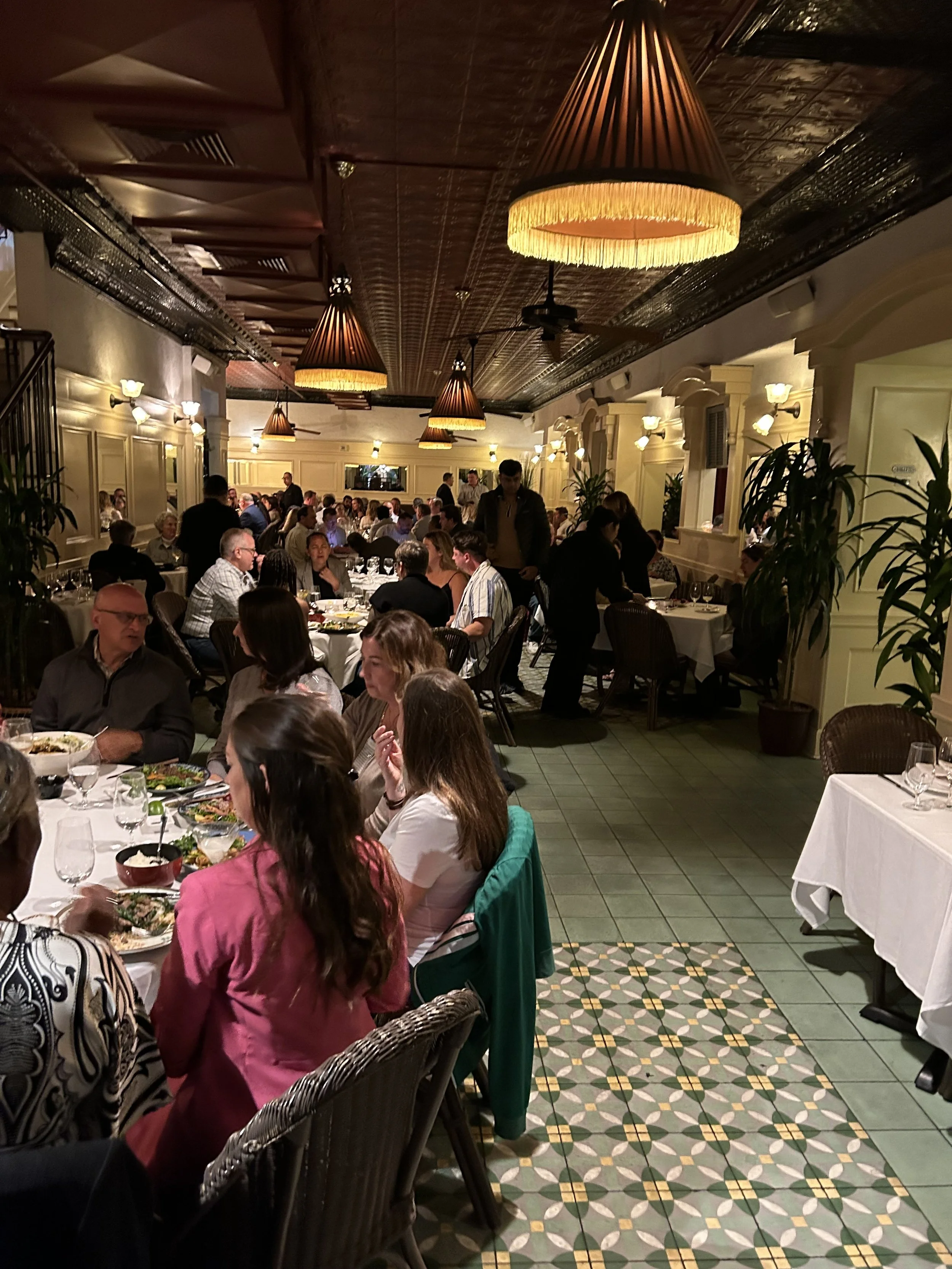
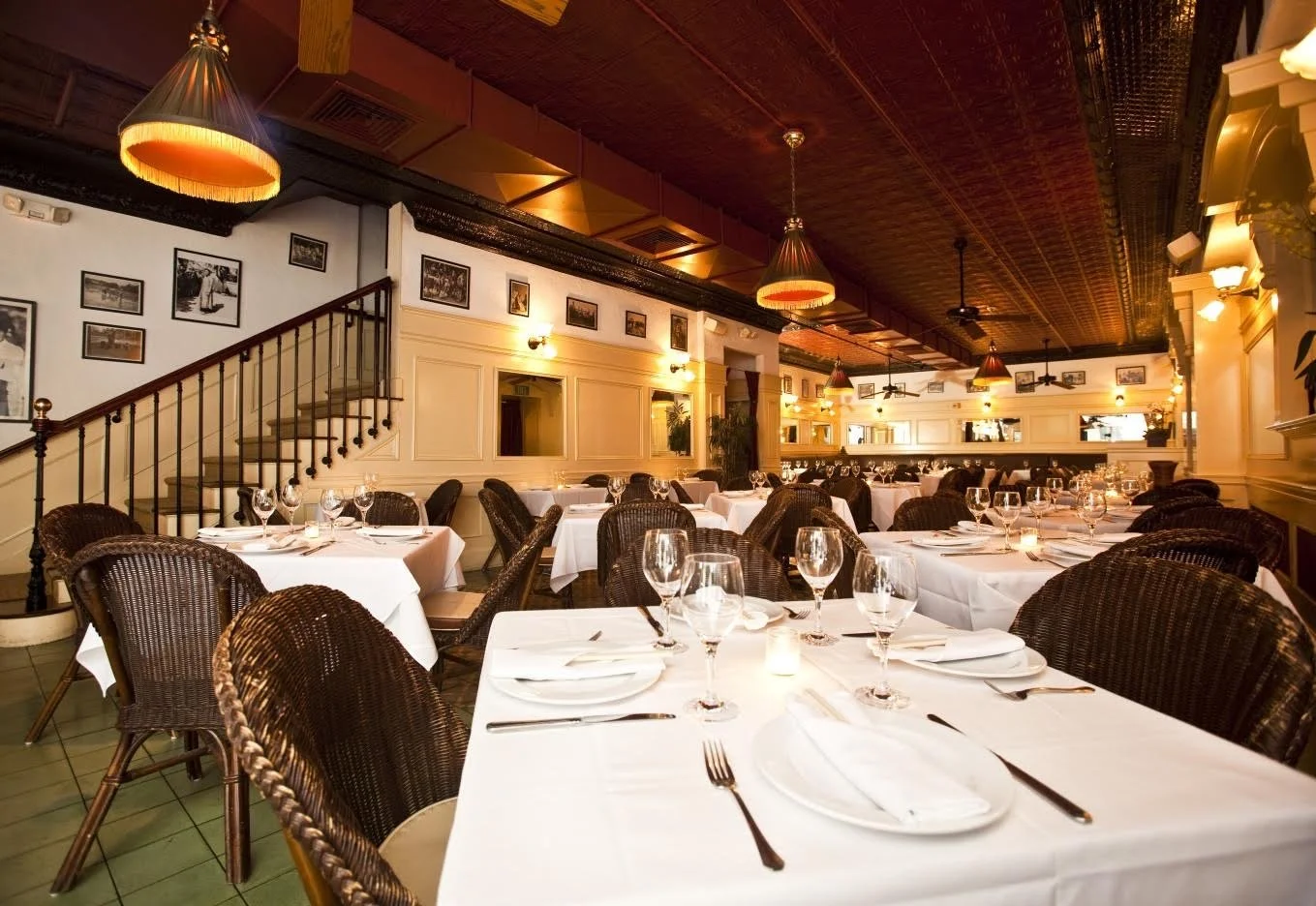
After helping correct many of the culturally insensitive elements inside the restaurant, I was reminded of the old French villas and colonial mansions that still survive throughout Vietnam today. Many of these beautiful buildings are disappearing as Vietnam modernizes, replaced by glass towers and new developments, but they remain an important part of the country's architectural and cultural landscape.
Today, many have been reclaimed by the Vietnamese people and transformed into homes, cafés, galleries, and some of the country's finest Vietnamese restaurants. Their history has not been forgotten, but their purpose has evolved, becoming part of the living, modern Vietnam that continues to honor its past while defining its own future.
It was a world of travelers, business people, celebrations, and affluent Vietnamese families gathering for special occasions. Different from the streets below, yet equally a part of Vietnam's story.
What fascinated me was that both experiences were equally Vietnamese. One was not more authentic than the other. They were simply different expressions of the same culture. One celebrated simplicity, community, and connection, while the other demonstrated refinement, execution, and hospitality at a higher level.
Over time, I realized I was not interested in choosing between them. I wanted to bring them together, combining the warmth and soul of the street with the precision and attention to detail found in elevated Vietnamese dining.
But the greatest challenge was never the menu. It was the people.
Like many restaurants that had endured years of change, the team had become divided and discouraged. Rebuilding trust, restoring pride, and creating a shared vision became just as important as anything happening in the kitchen.
Different backgrounds, perspectives, and experiences all had to come together around a single idea: creating an exceptional experience for every guest who walked through the door.
Over time, the culture changed. The team found its rhythm. The restaurant found its energy. The experience improved.
Once again, I was reminded that great hospitality is never just about food. It is about people.
Looking back, Temple Club and Le Colonial taught me different lessons about Vietnam, hospitality, and community. Together, they helped shape the vision that would eventually become Broken Dreams.
Broken Dreams is the result of a lifetime spent exploring two cultures and discovering that great food has the power to bring people together long before they speak the same language.